

Community Safety Matters
〰️
Community Safety Matters 〰️


Community Safety Matters

Building Safer, more confident communities together
Community Safety Matters is a borough-wide campaign led by Communities First Foundation in partnership with Croydon’s Safer Neighbourhood Board and community partners. Running from October 2025 to March 2026, the campaign brings residents together to make our streets safer, stronger, and more connected.
About the Campaign
Our Safe Spaces, Strong Voices initiative is designed to empower residents, especially young people, to reclaim public spaces, challenge antisocial behaviour, and promote community confidence. The campaign is part of Croydon’s ongoing work to reduce violence, harassment, and exploitation, while strengthening relationships between communities and one another.
Through mobile community safety pop-ups, bystander and confidence workshops, and the training of local Safe Streets Ambassadors, we aim to:
Increase awareness of crime-reporting and victim-support services
Build local trust and visibility
Distribute over 1,500 Community Safety Toolkits
Support residents to take positive action in their neighbourhoods
Get Involved
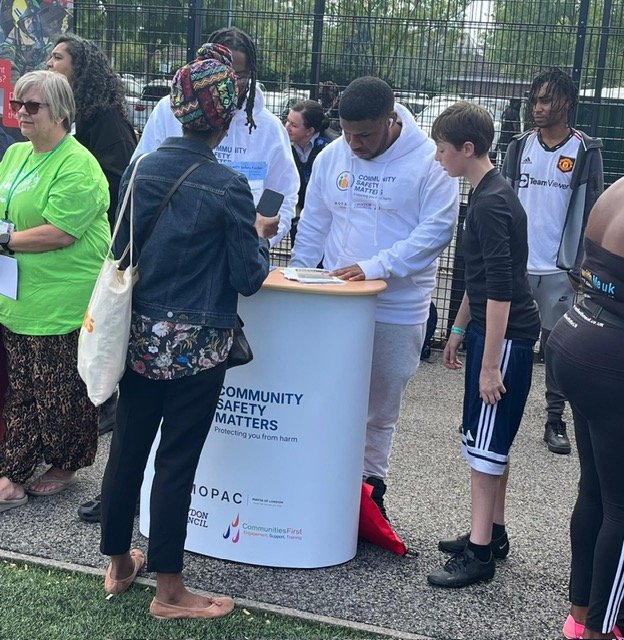
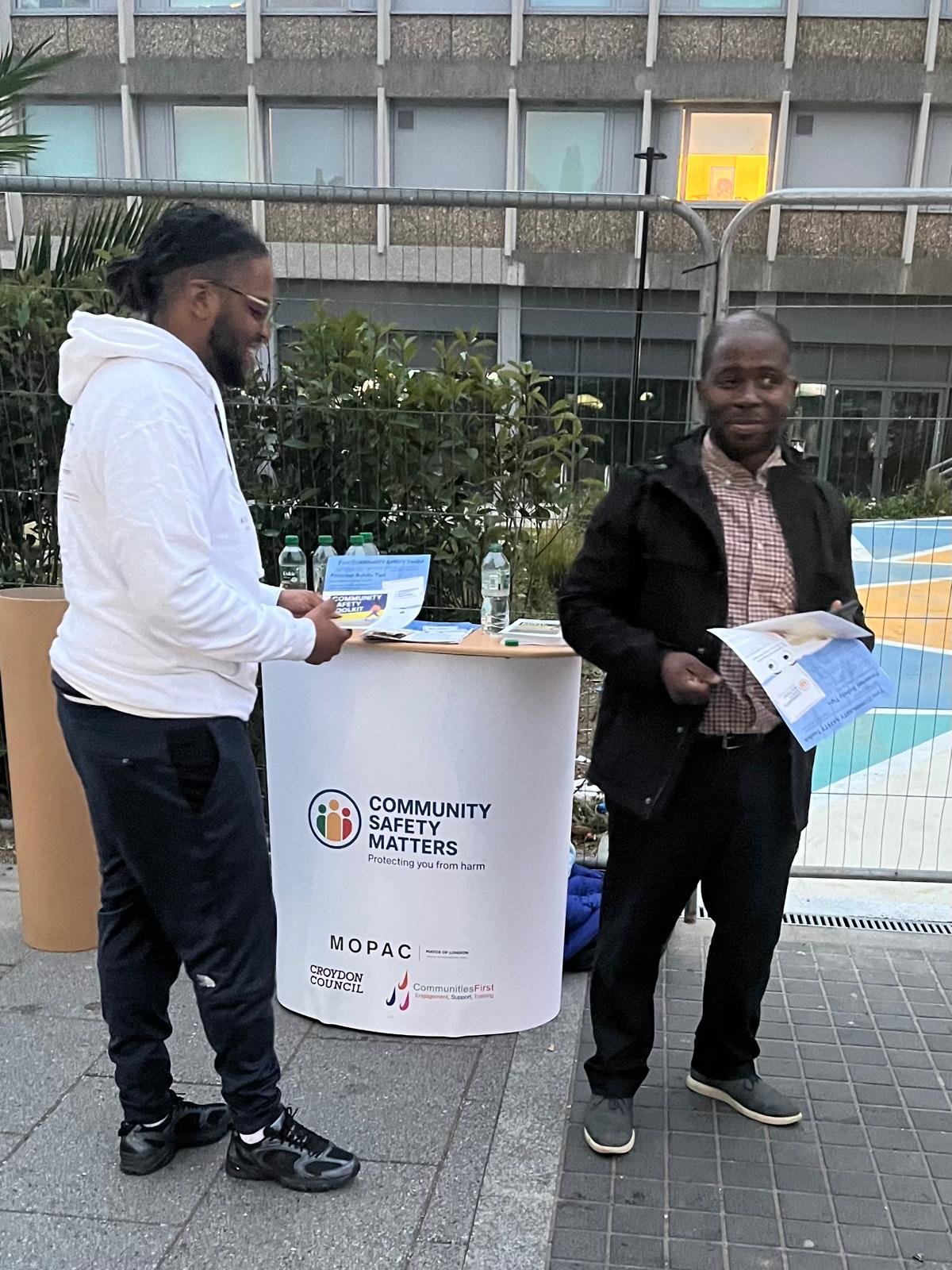
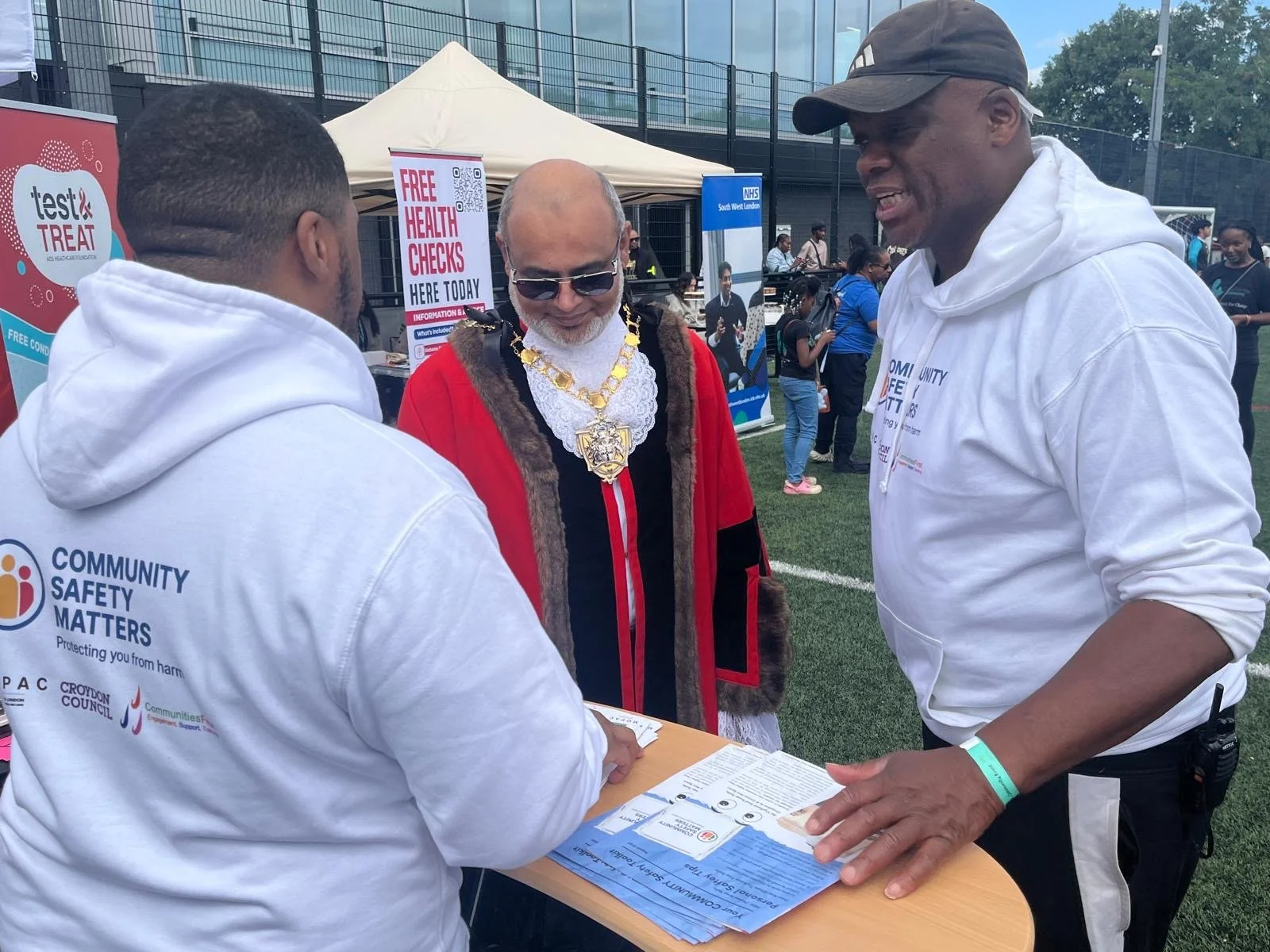
We have held Safer Neighbourhood Community Pop-Up Events, between 6–8pm at the following locations in Croydon:
Zodiac Court – Friday 10th October 2025
Norbury Station – Thursday 11th December 2025
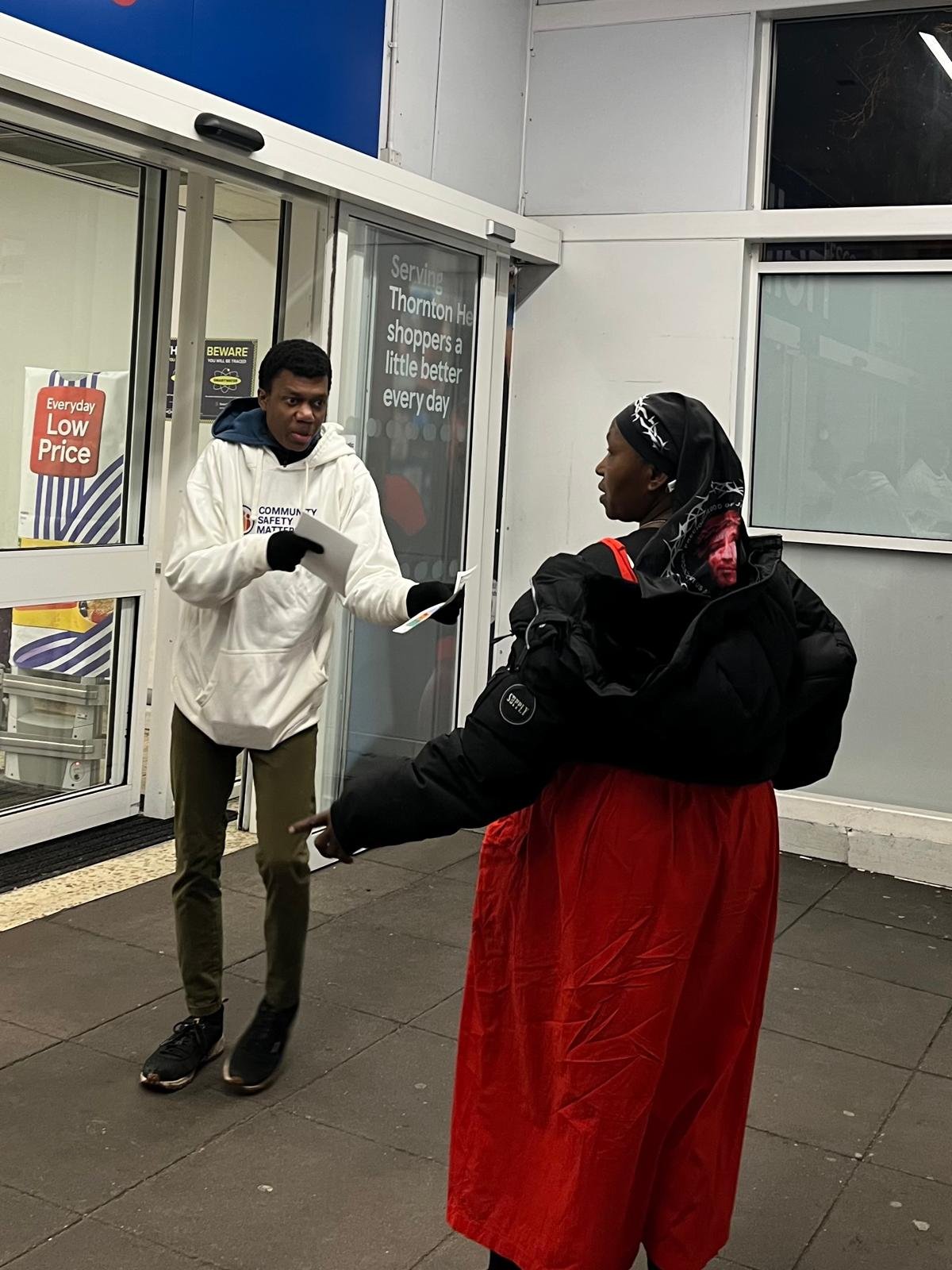
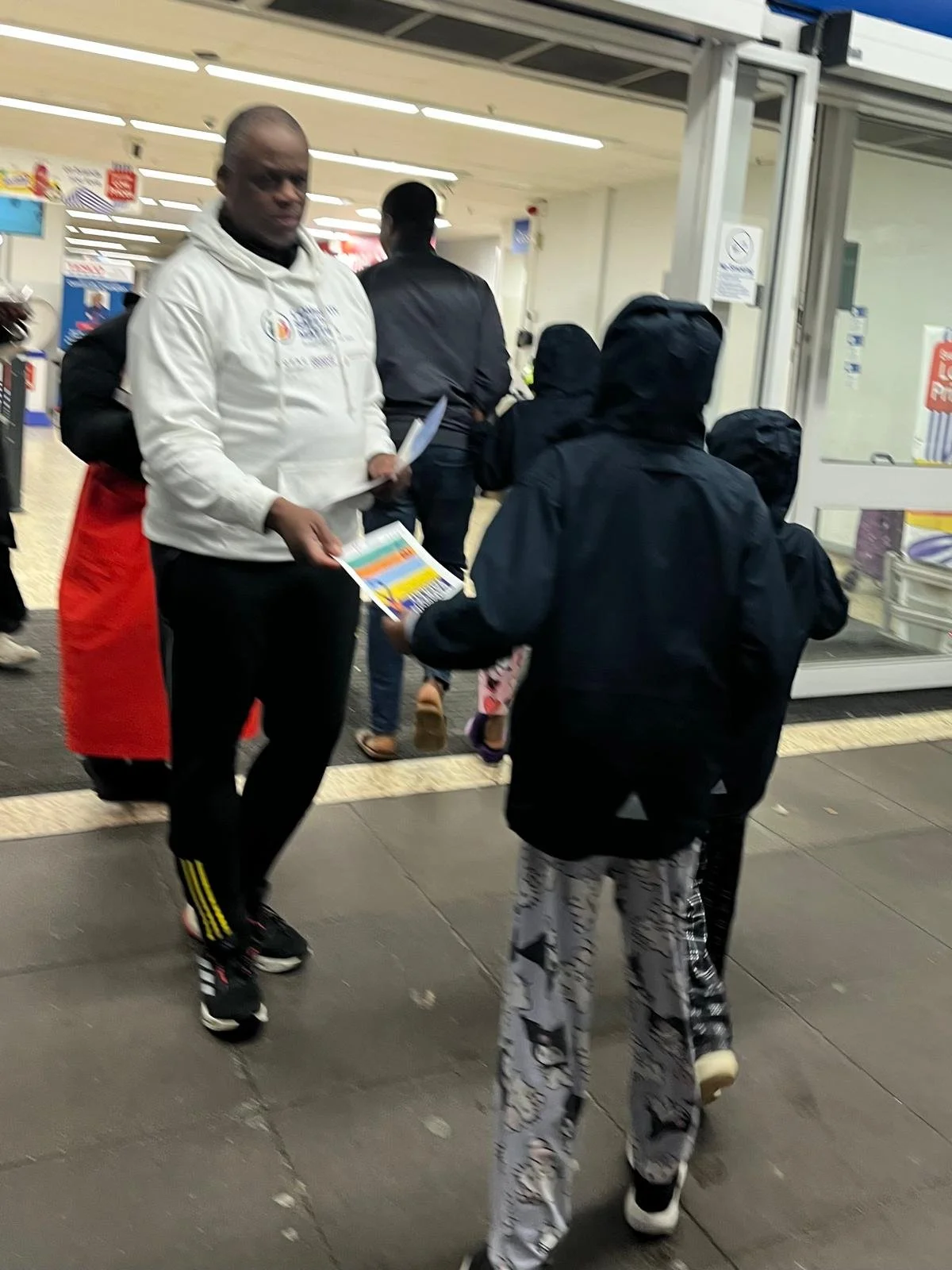
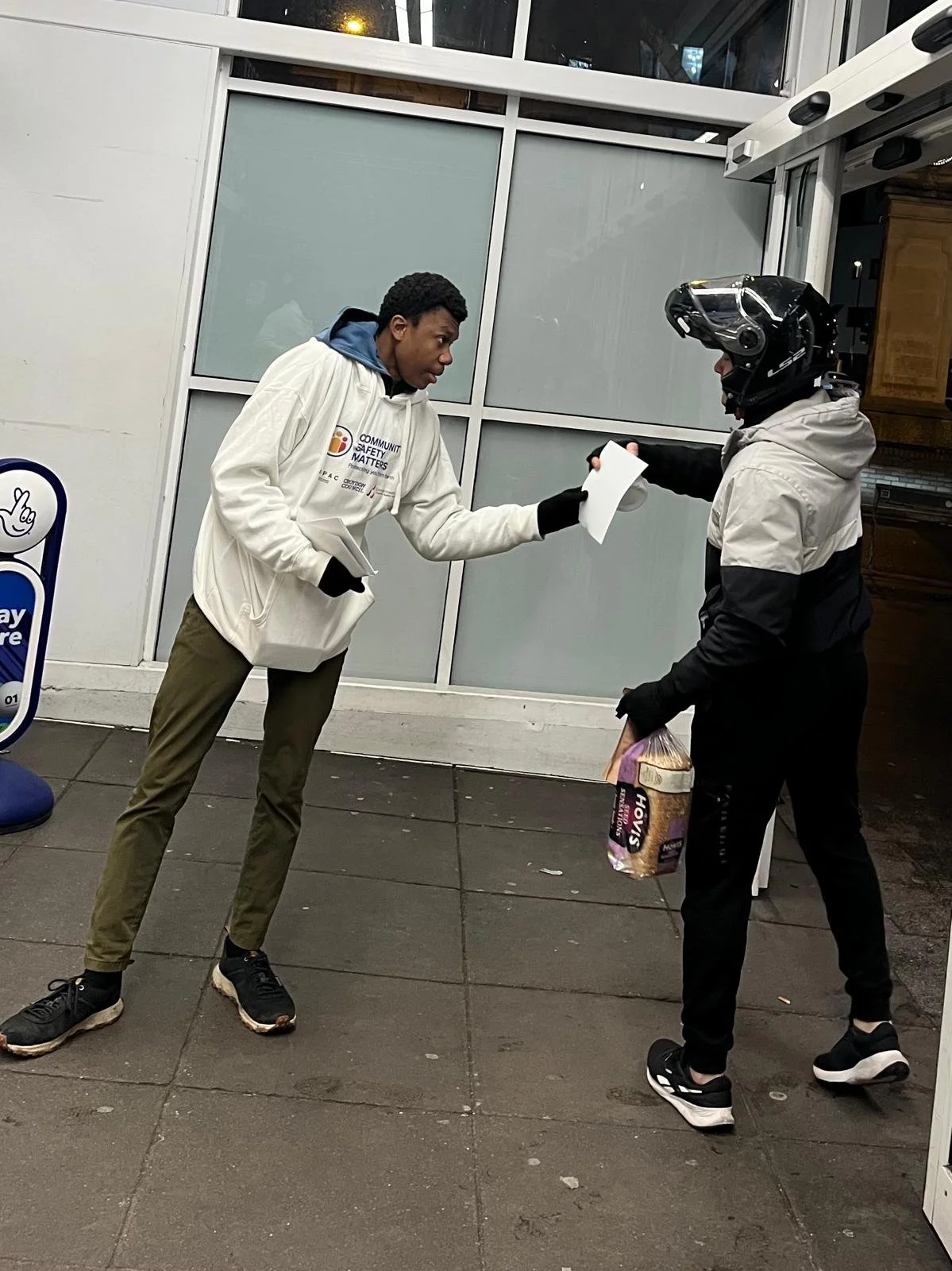
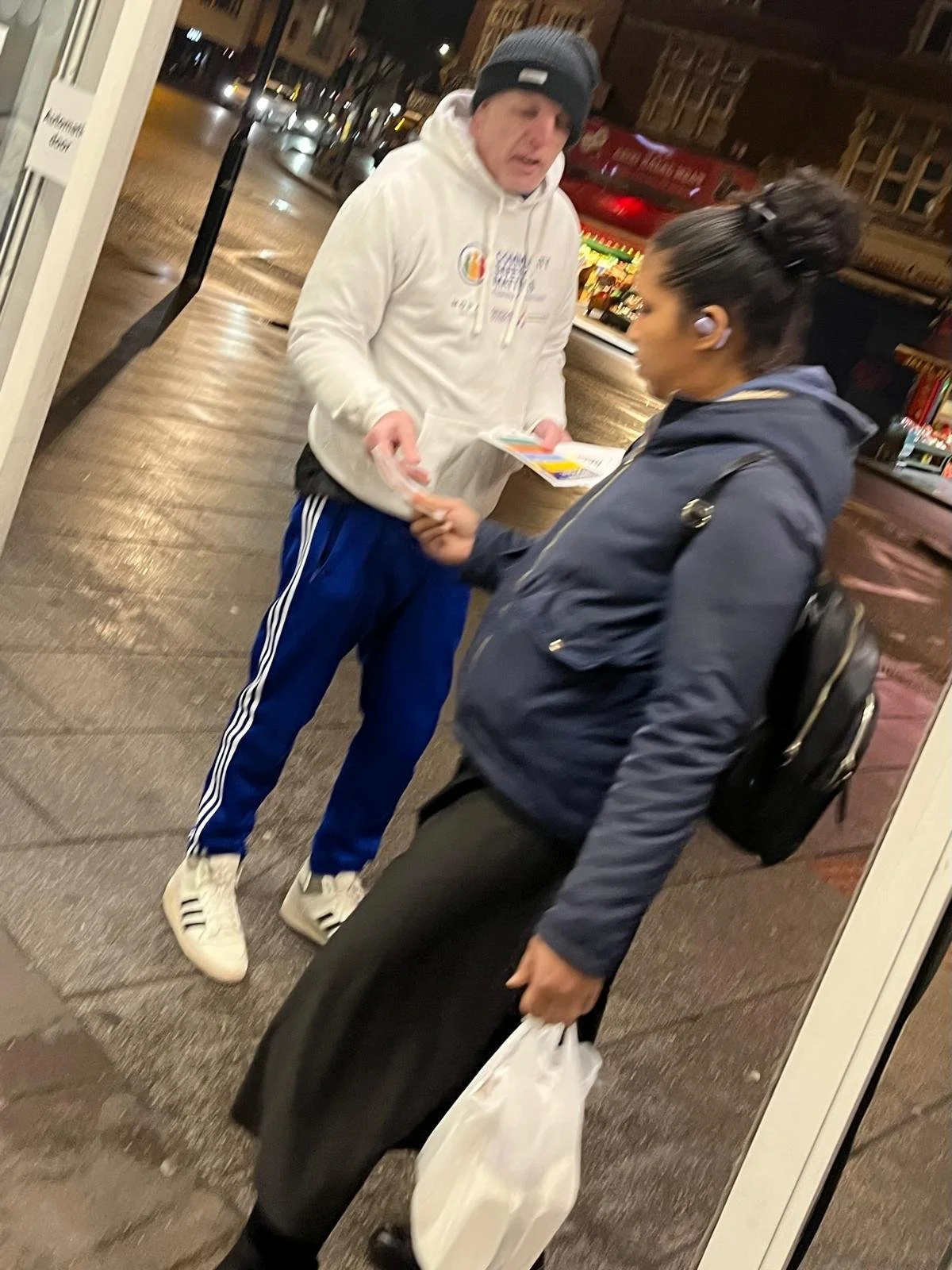
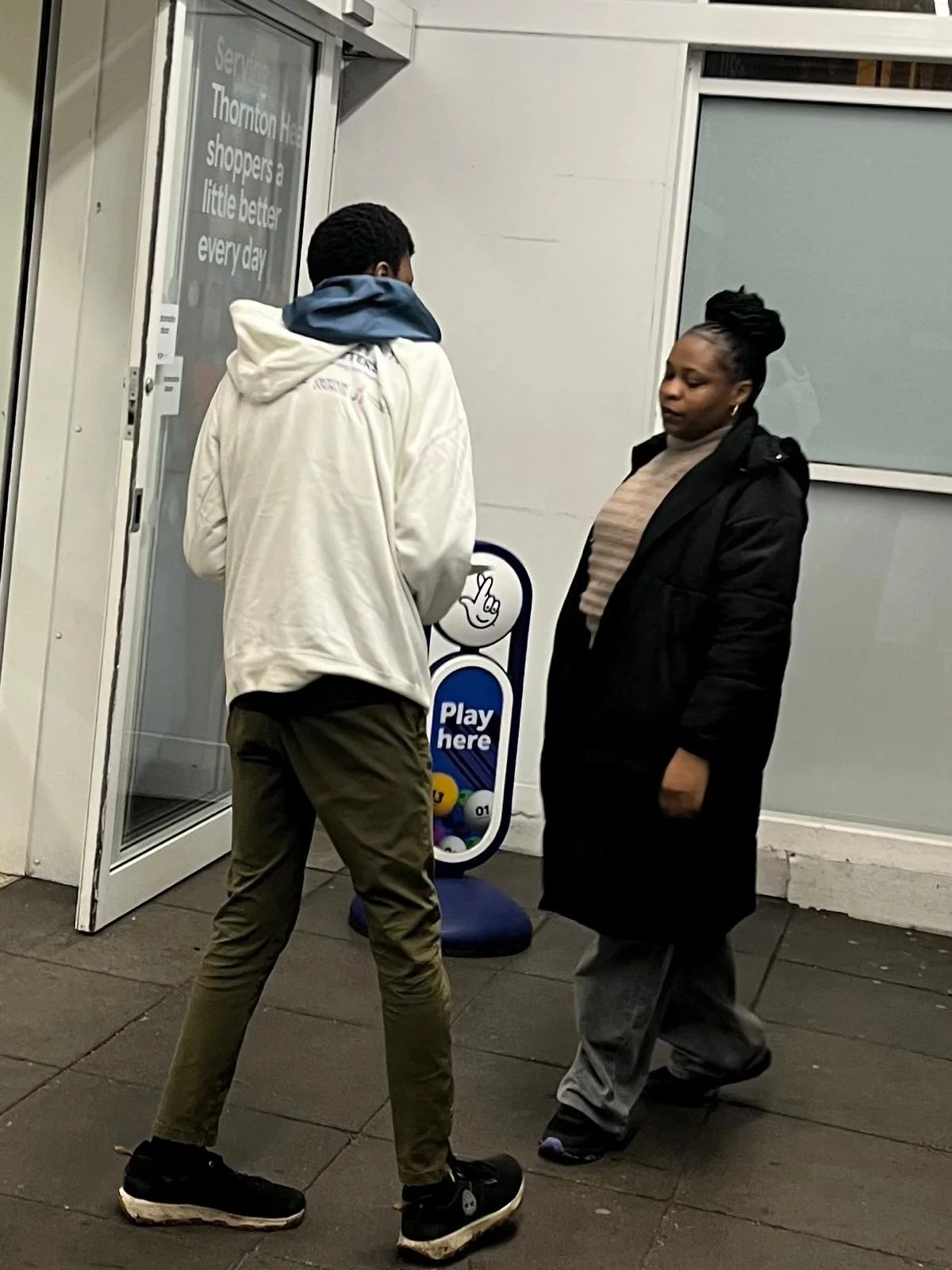
Thornton Heath Station – Friday 16th January 2026
You are invited to come along to the next Croydon Community Safety events between 6-8pm:
East Croydon Station - Wednesday 11th March 2026
West Croydon Station - Friday 20th March 2026
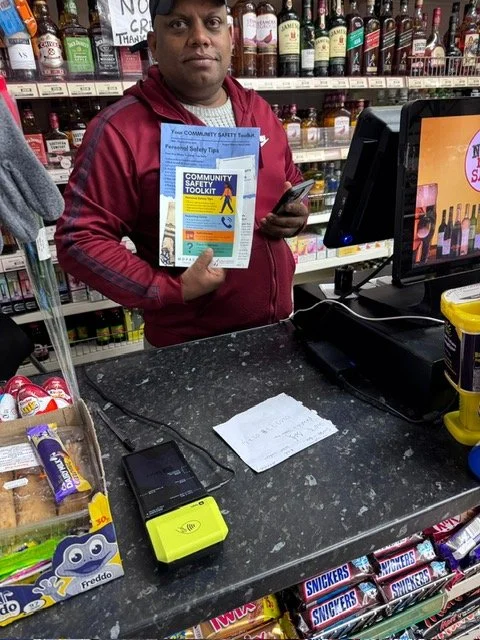
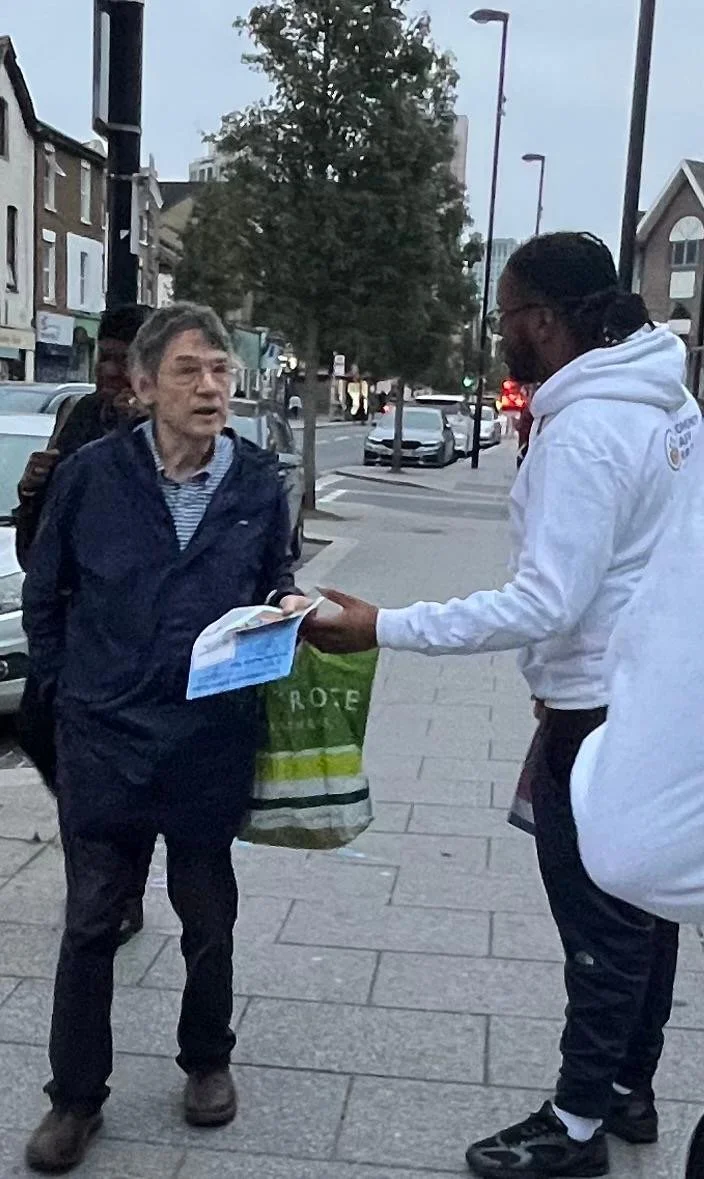
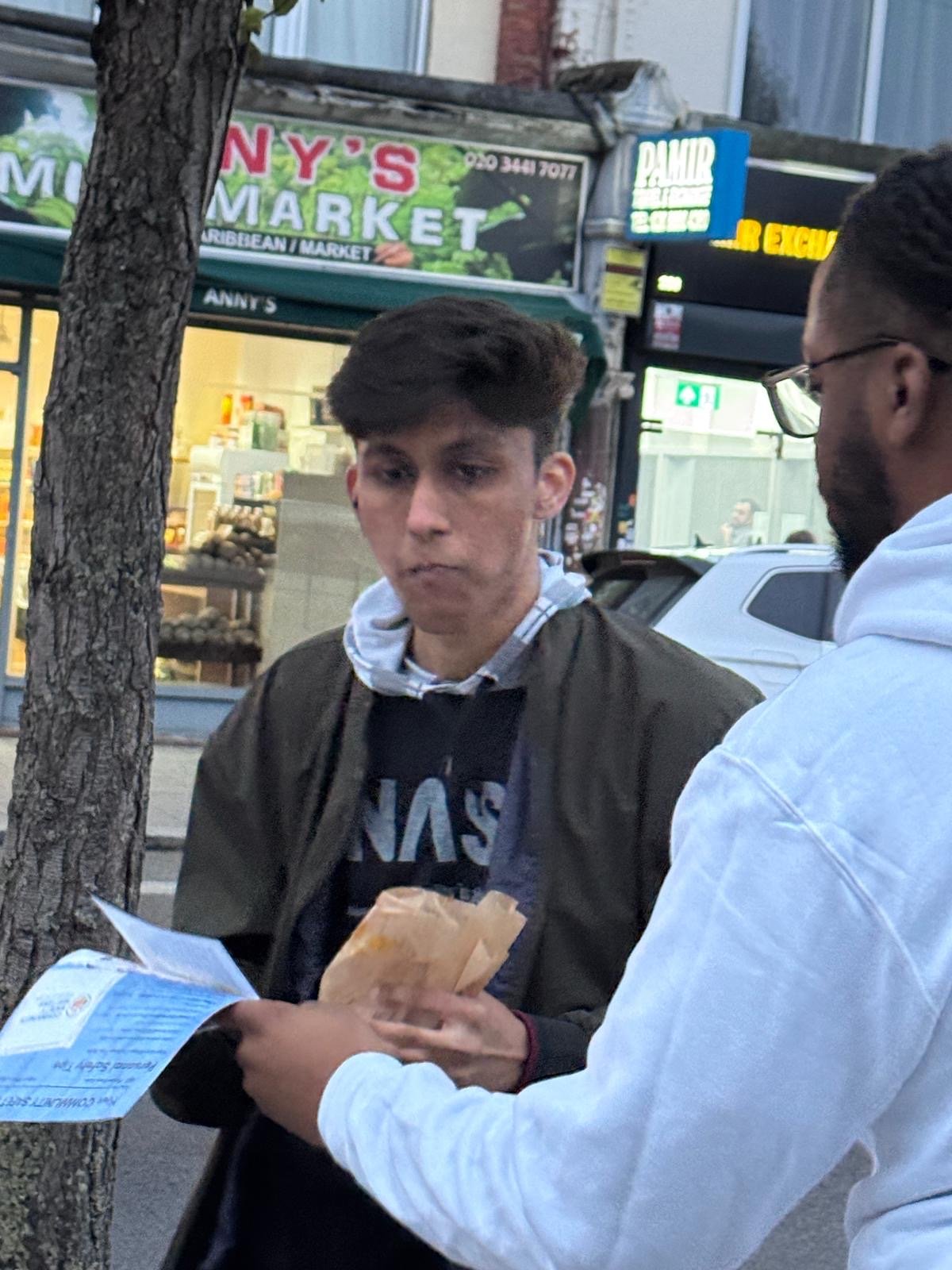
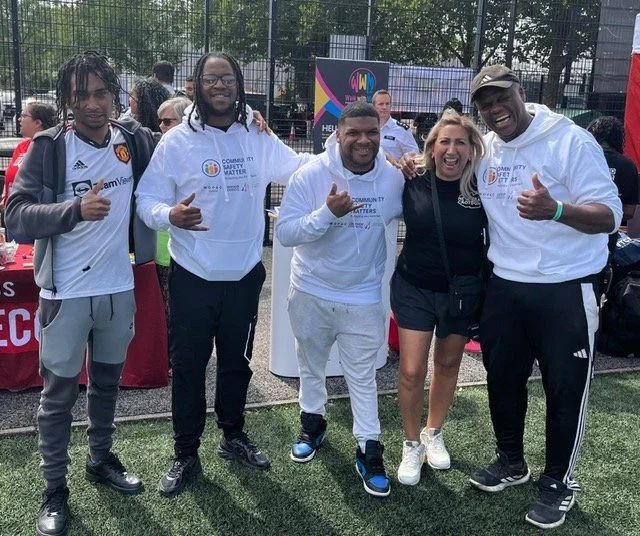
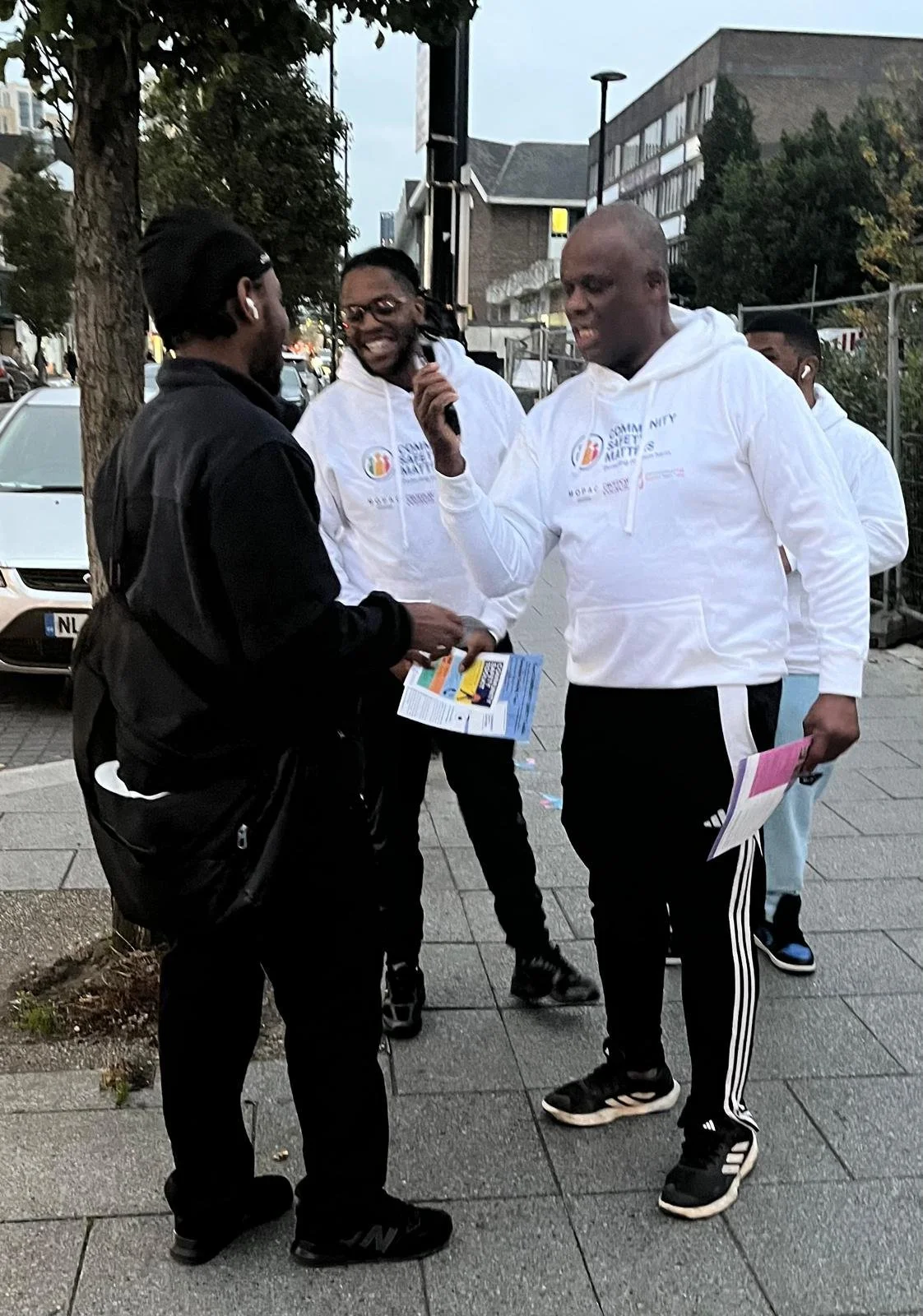
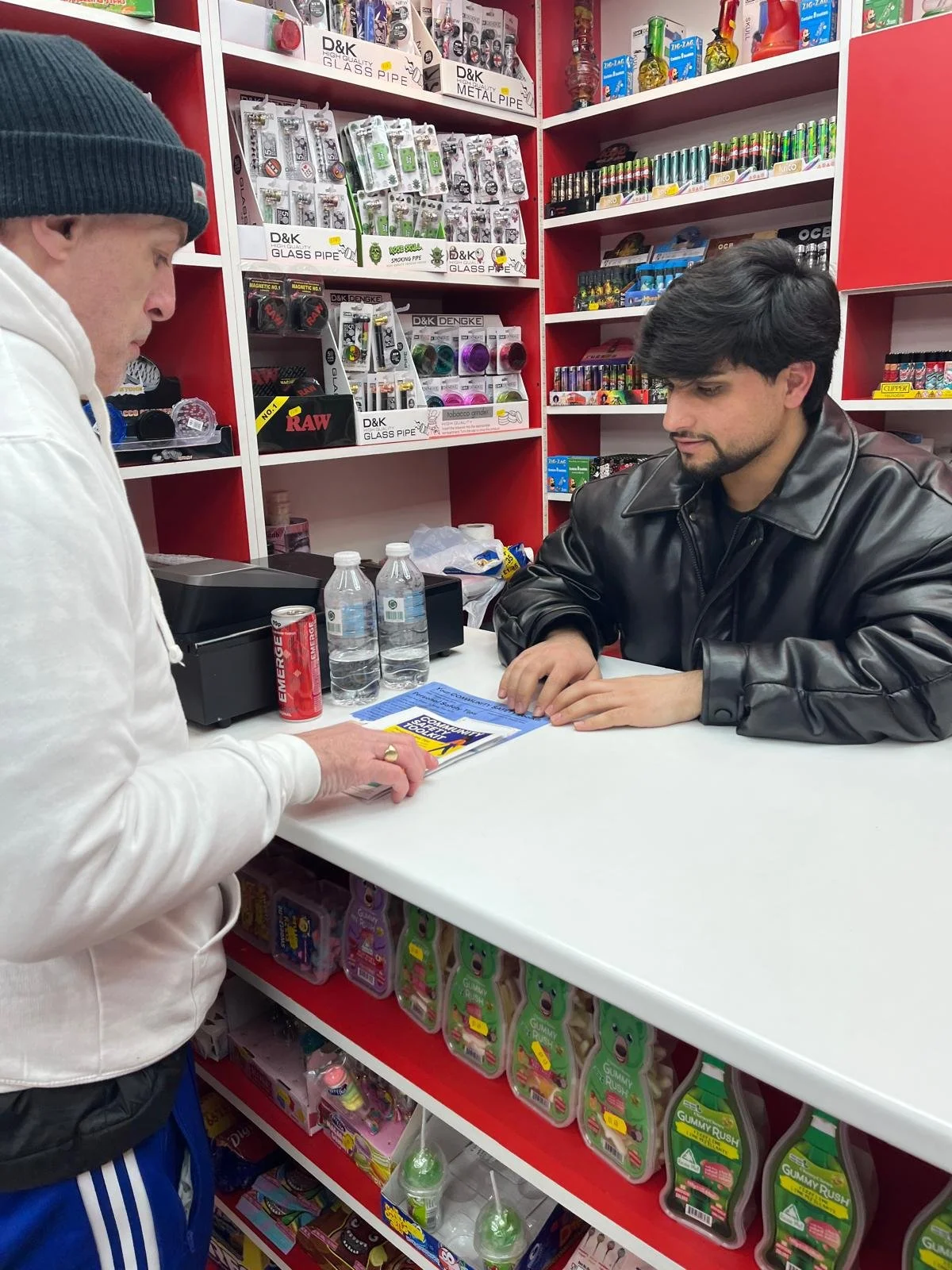
Each event features Community Safety Ambassadors, a Community Safety Newsletter and a FREE Community Safety Toolkit to raise awareness of how we can all play a role in keeping Croydon safe.
Working Together for a Safer Croydon
By joining this campaign, you’re helping to make Croydon a place where everyone feels confident, connected, and safe. Together, our voices and actions can create lasting change.
……………………………………………………………………………………………………………………………………………………………………………………………………………………………………………………………………………………………………………………………………………….
Campaign Update
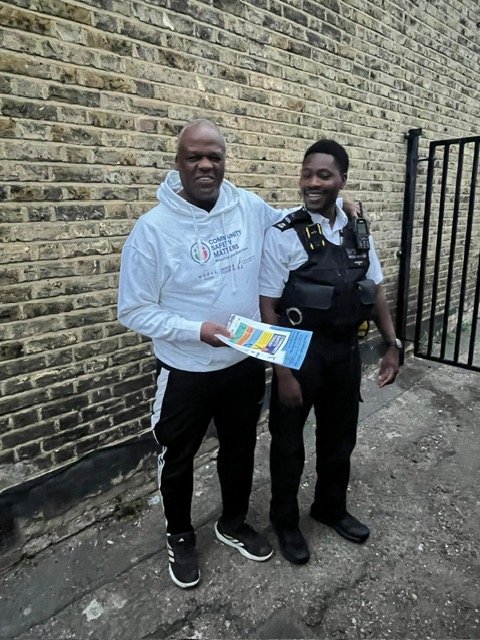
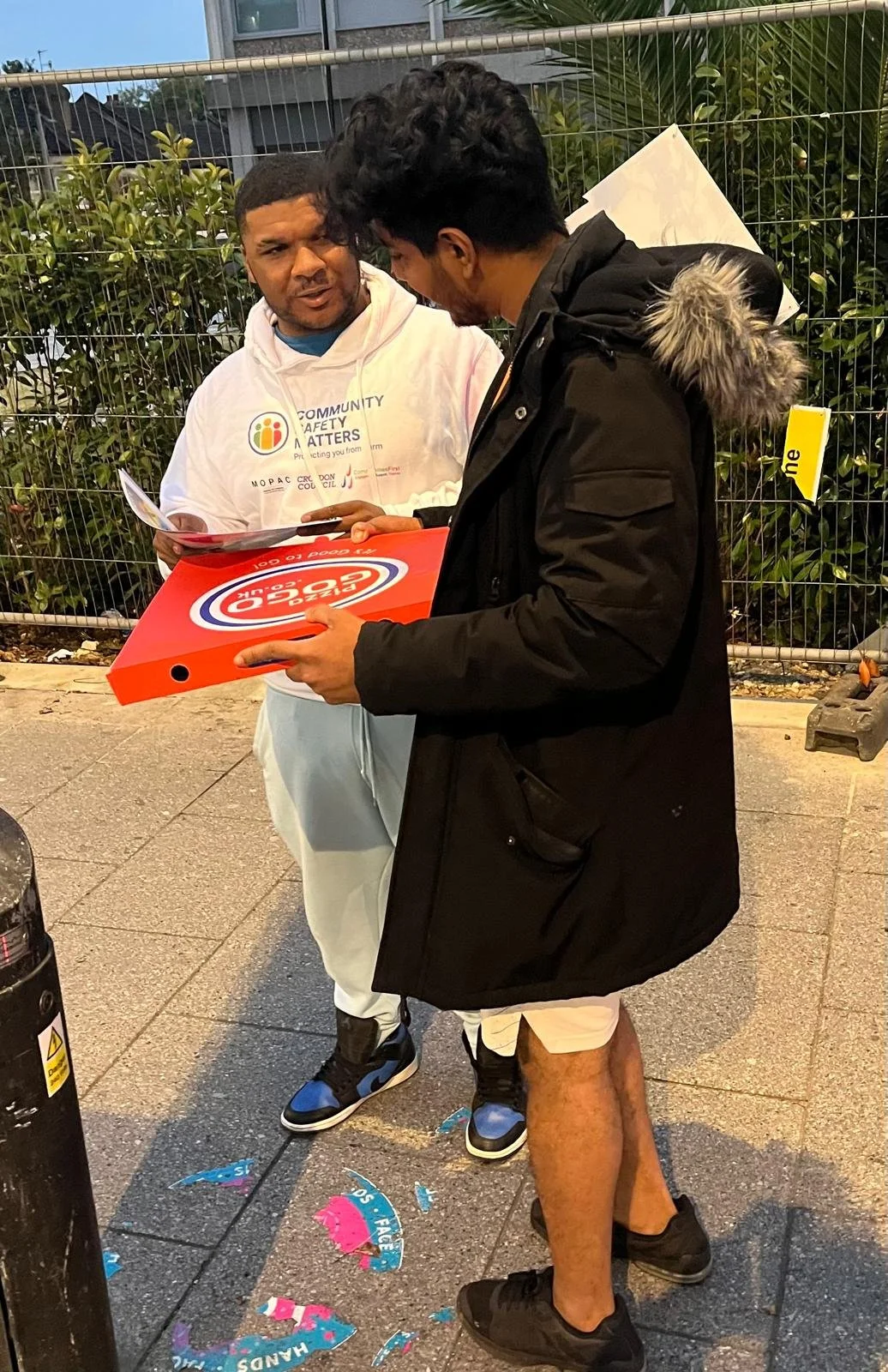
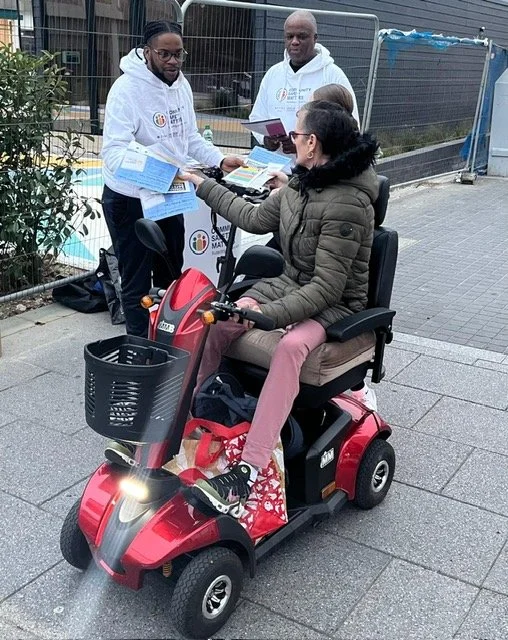
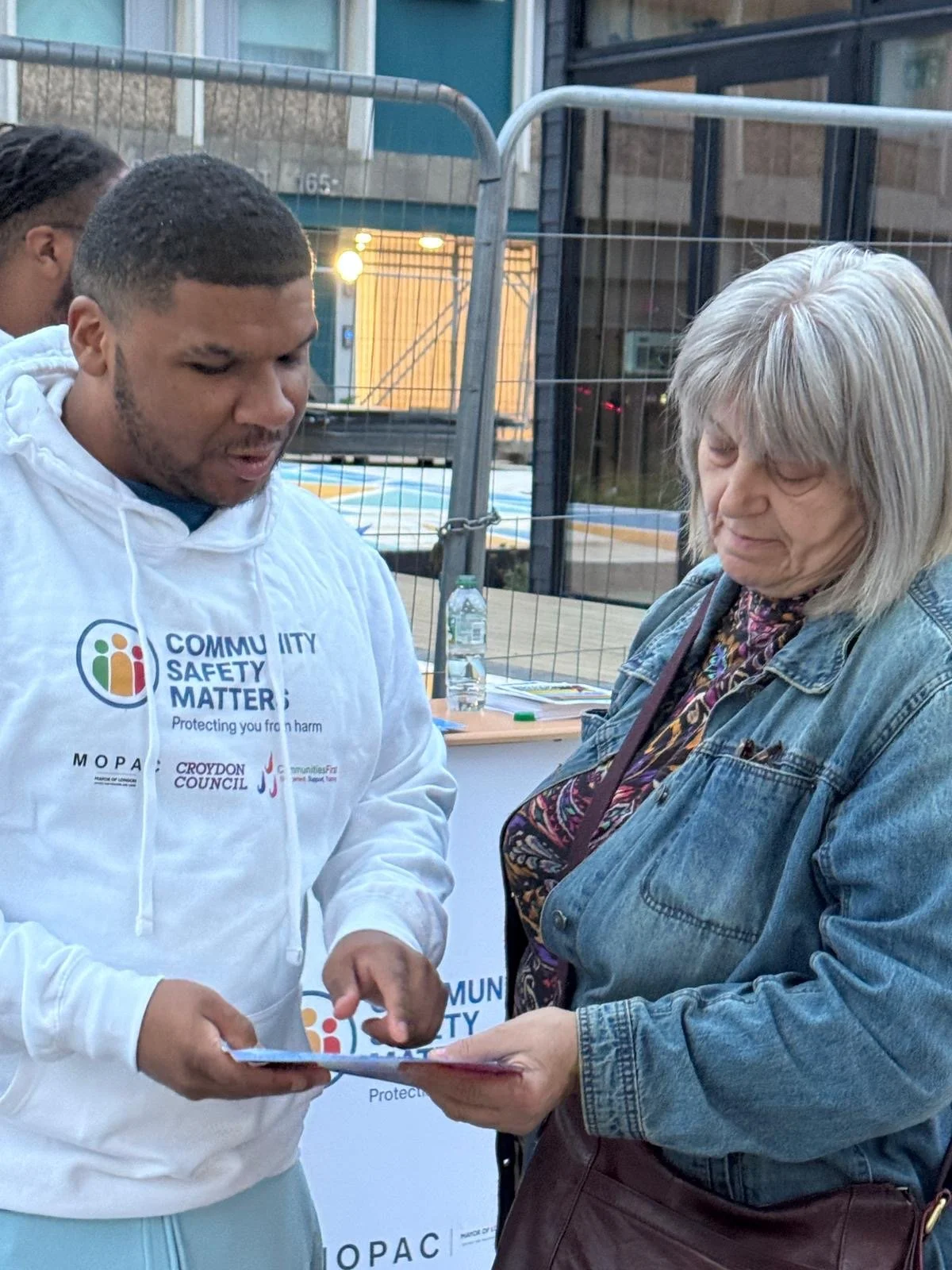
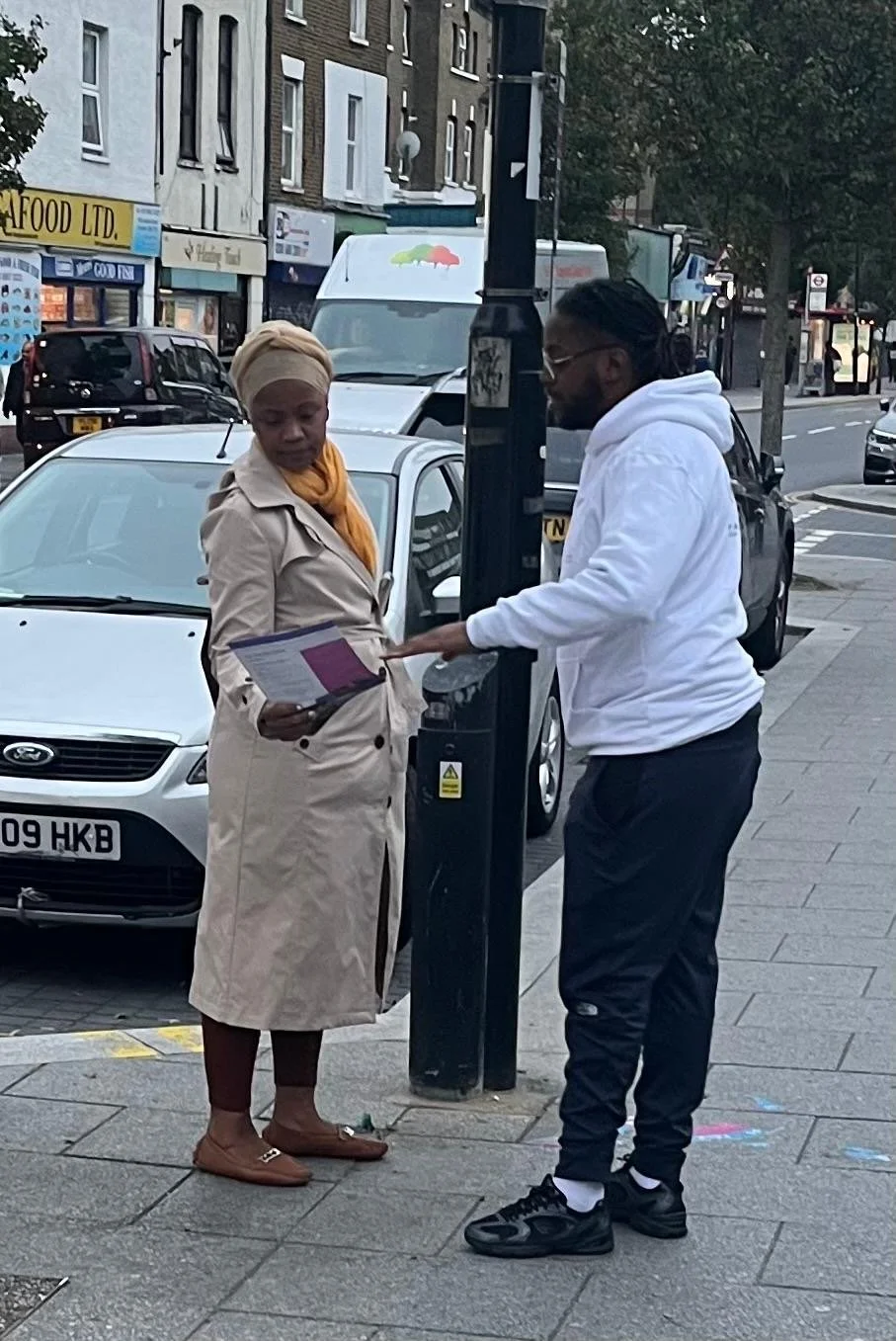
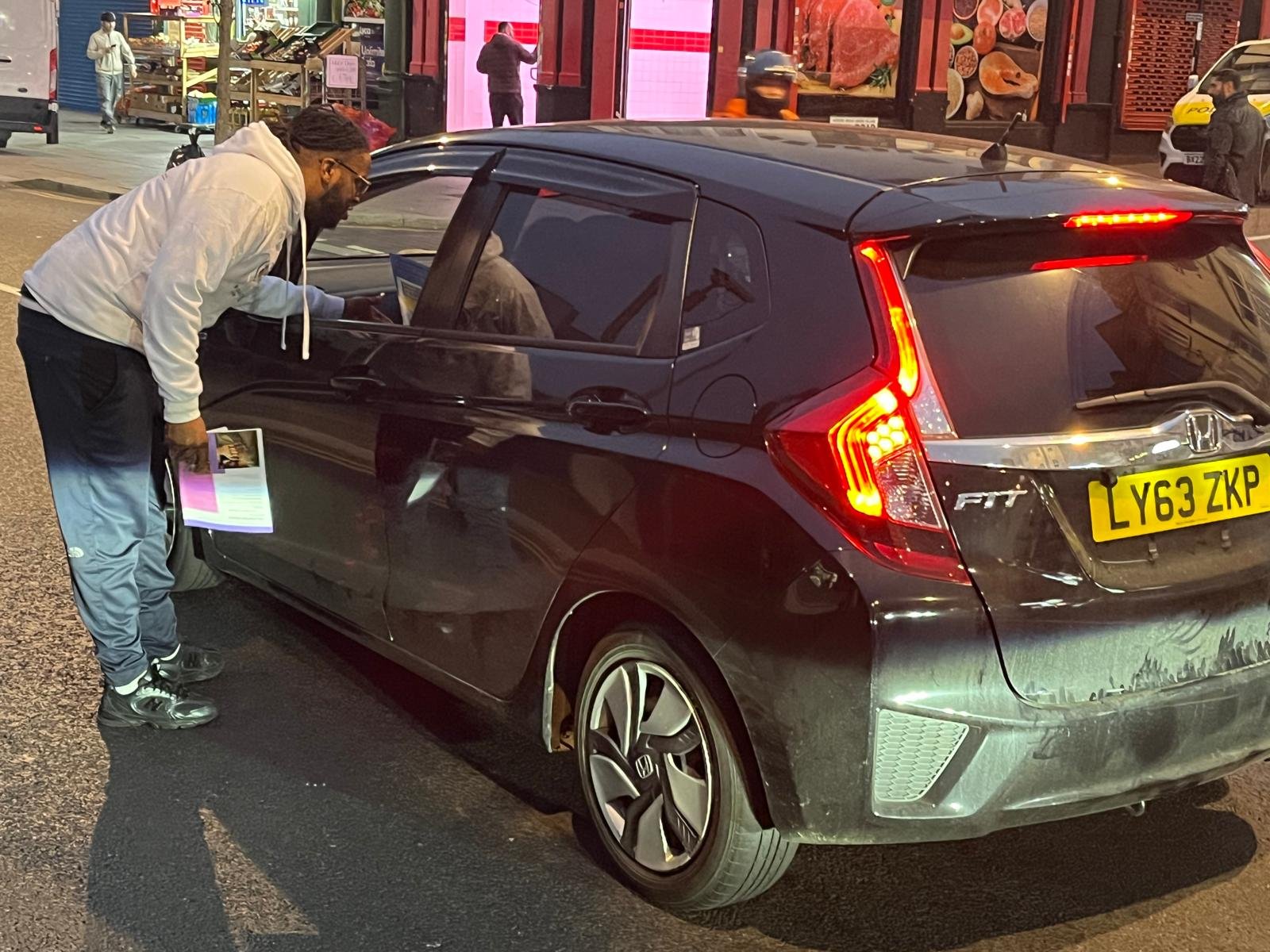
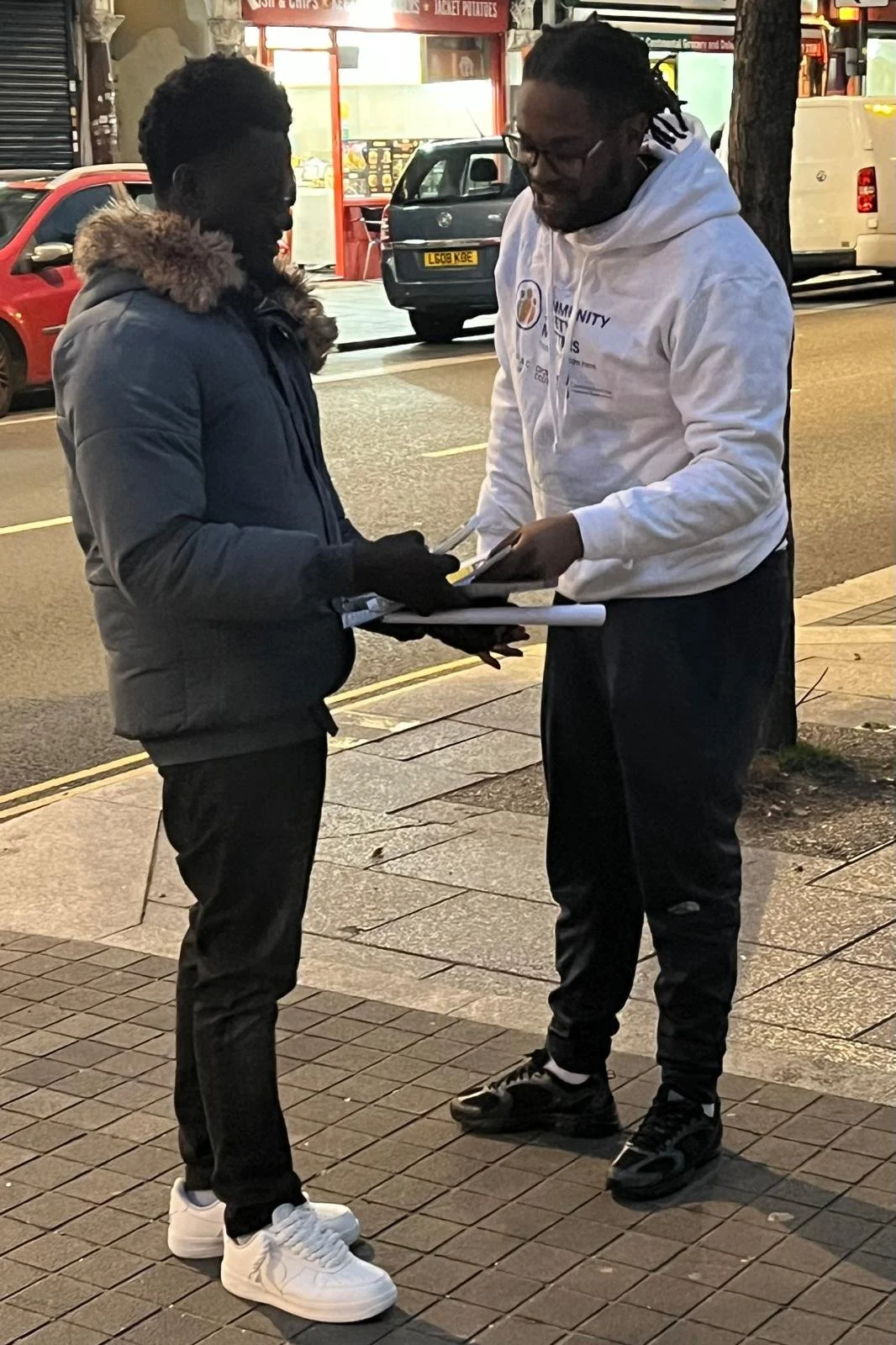
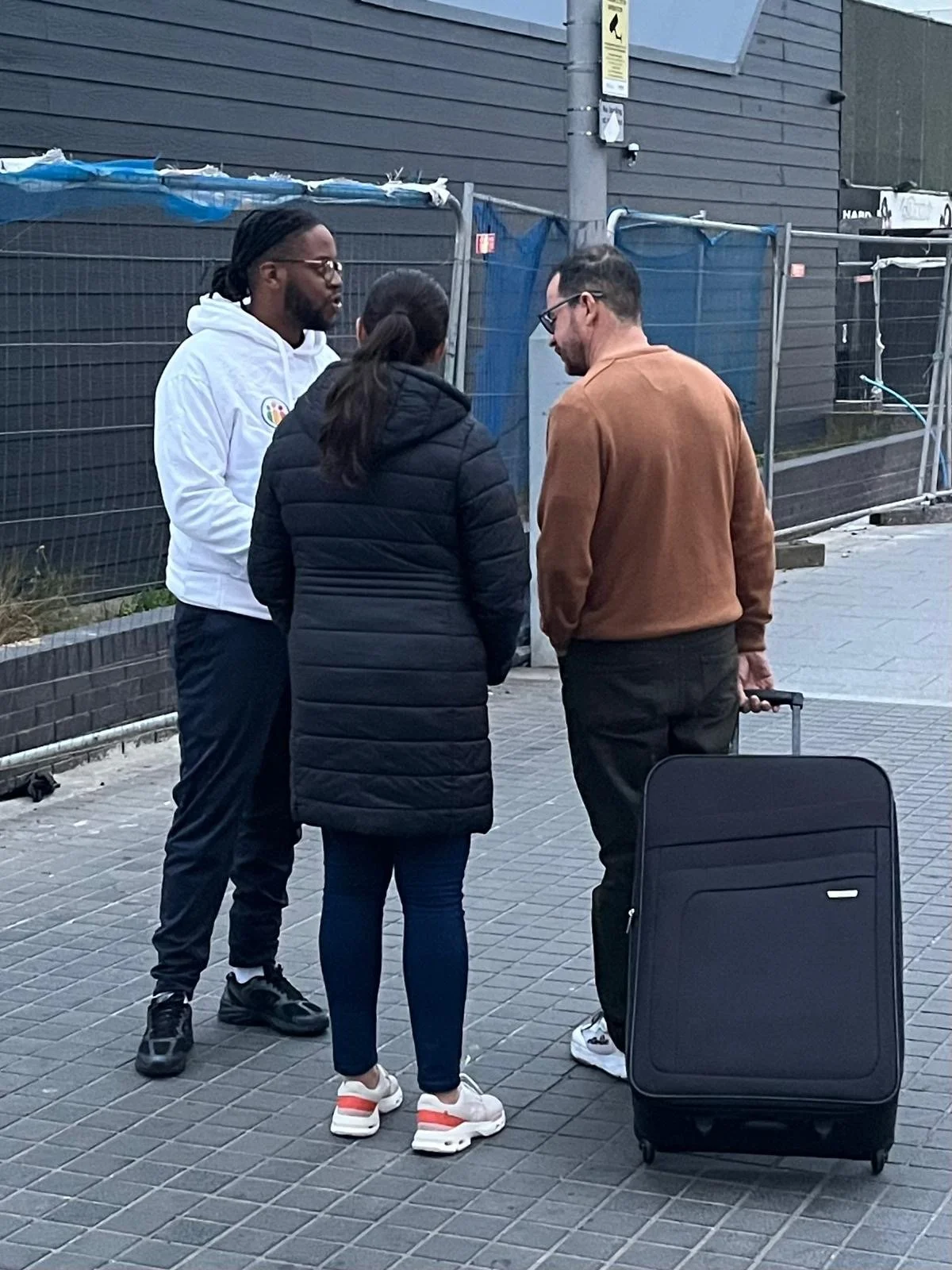
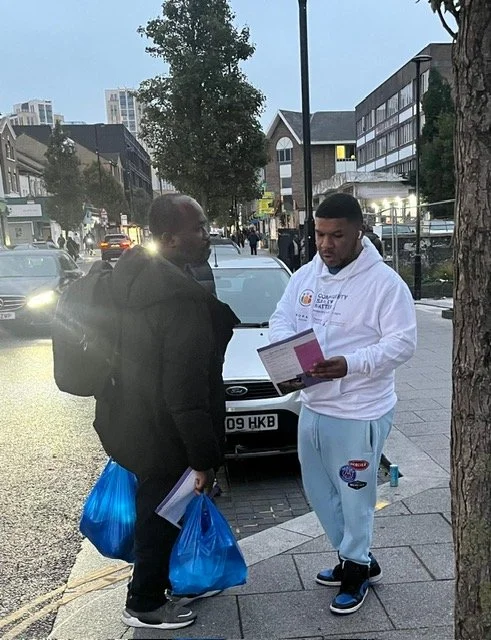
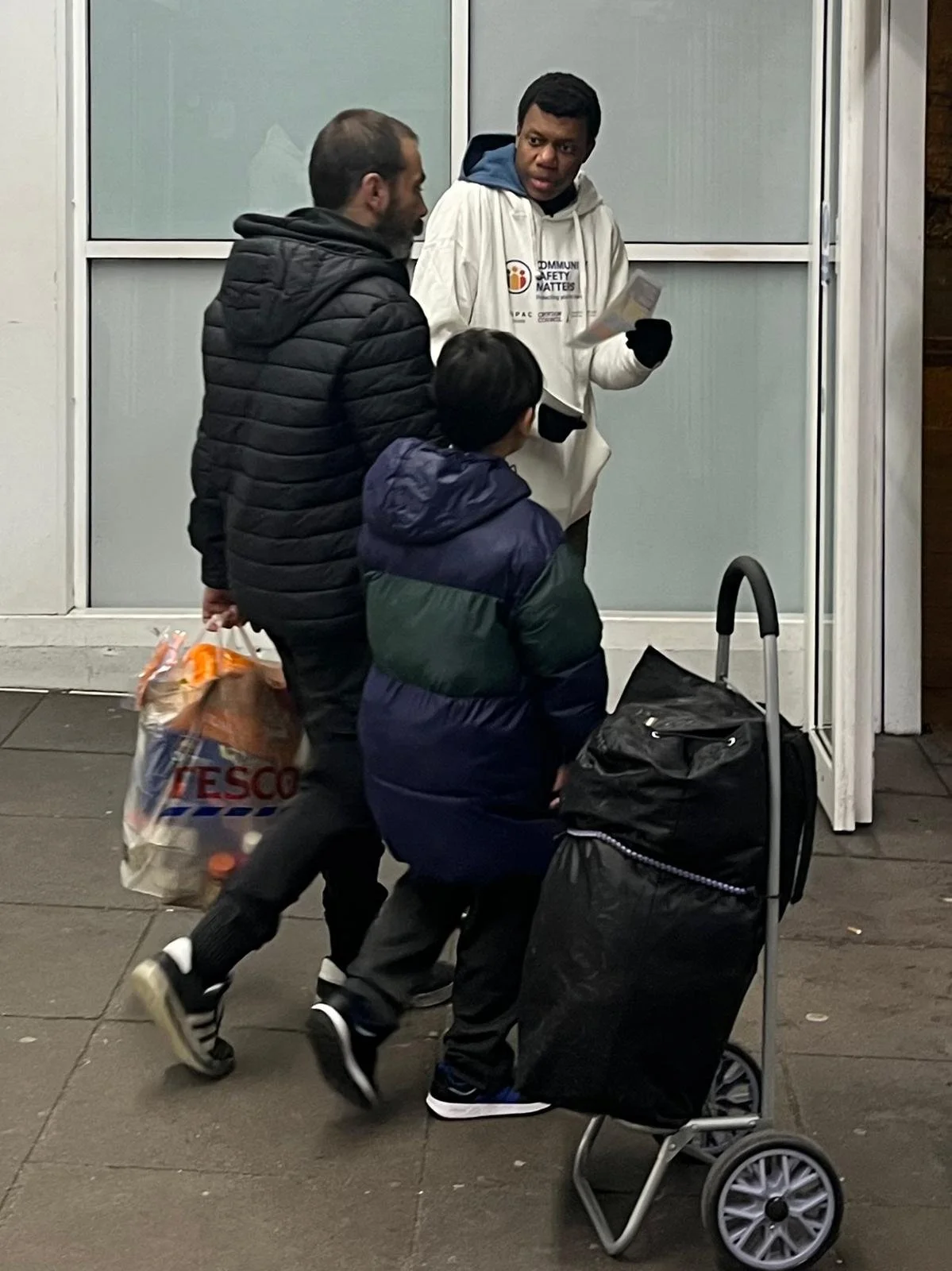
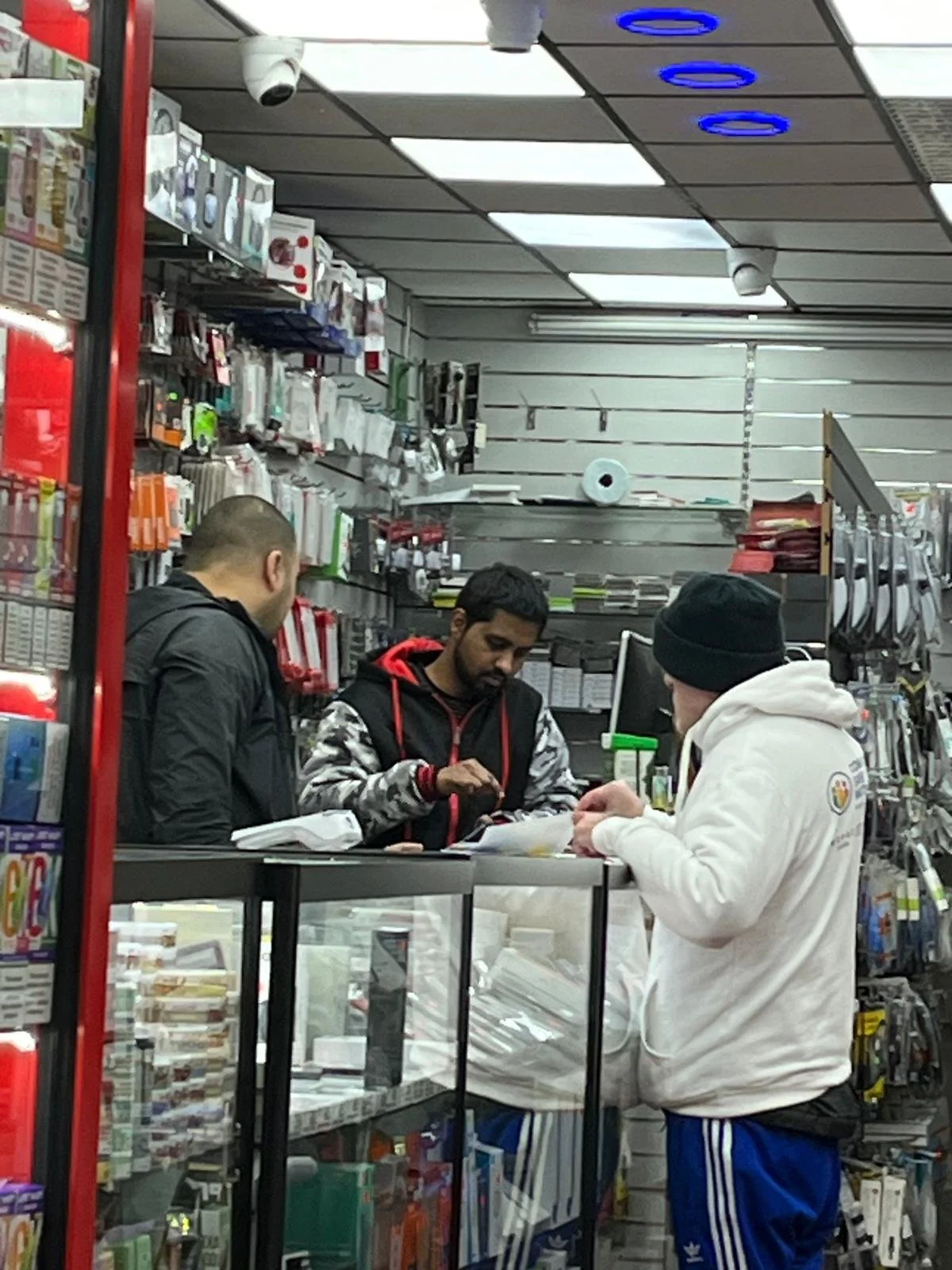
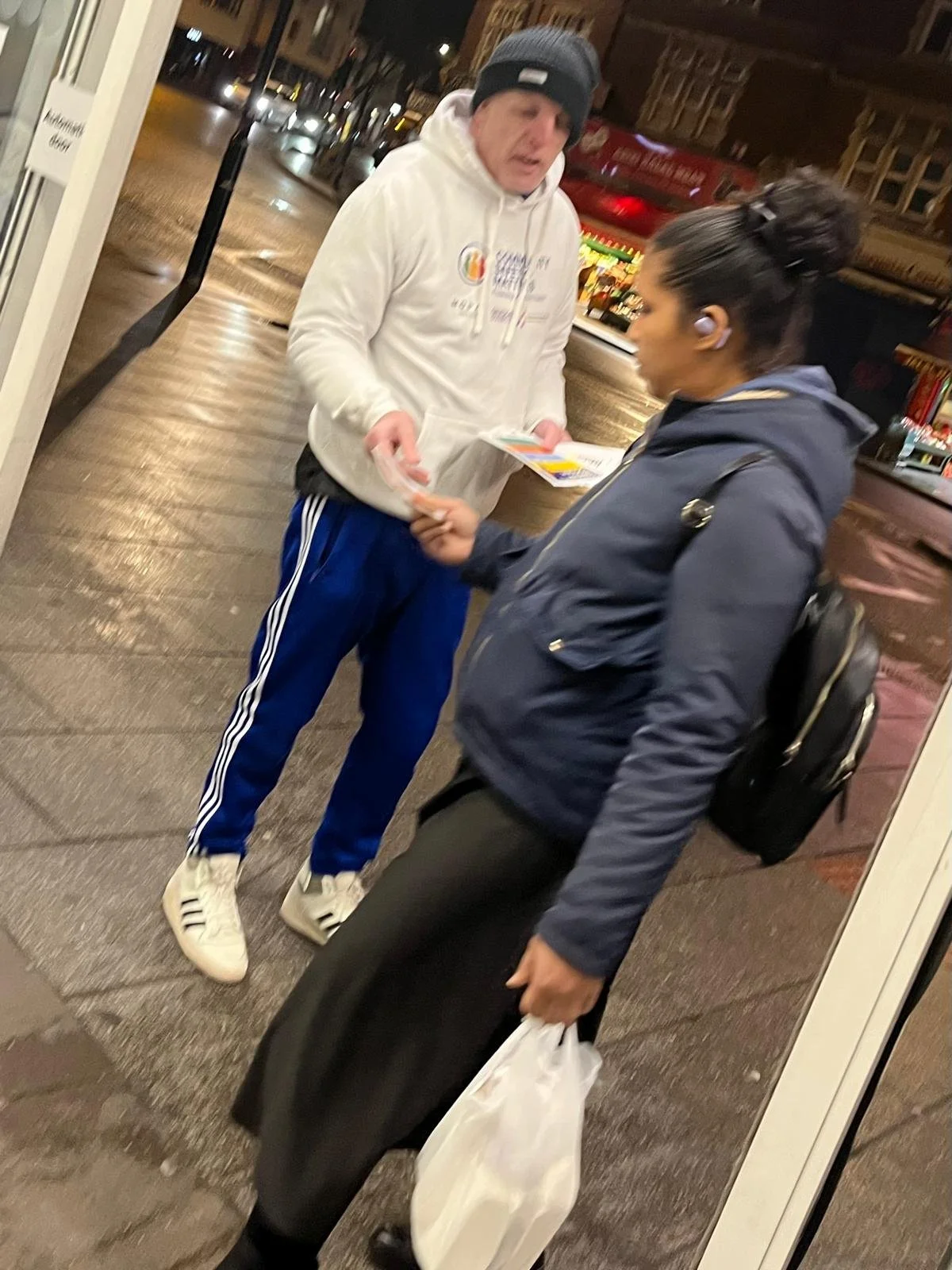
At Zodiac Court, West Croydon, Community Safety Toolkits and information leaflets were distributed directly to residents, enabling meaningful face-to-face engagement with the local community.
While engaging with residents at Zodiac Court, a number of individuals highlighted a high level of crime in the area, reinforcing the importance of visible, neighbourhood-based community safety activity and accessible safety information.
Following this, a Norbury pop-up outside Norbury Station provided further insight into hyper-local issues. The project team observed that several nearby streets were poorly lit. These environmental factors were identified as likely contributors to feelings of insecurity in the area. In addition, one resident shared concerns about multiple break-ins in the Pollards Hill area. In response, this resident has since established a community-led information and support group, demonstrating strong local resilience and peer-led action.
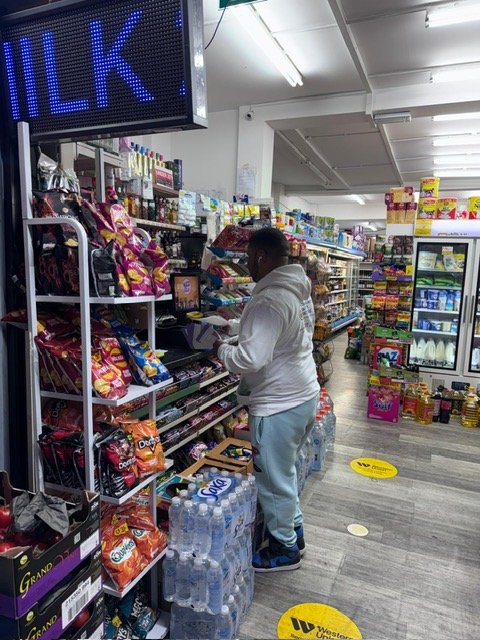
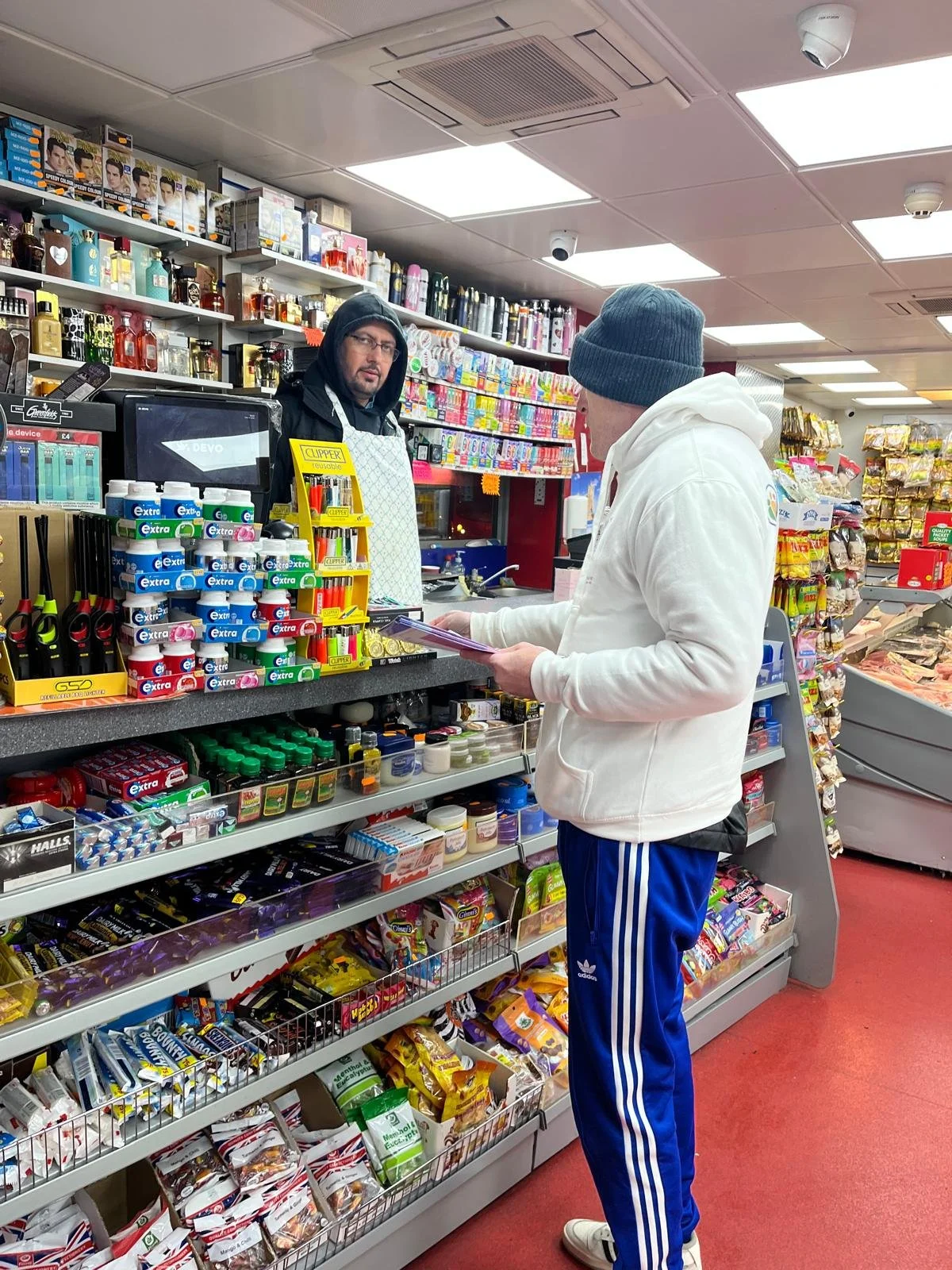
At Thornton Heath, engagement with residents and local businesses presented a more positive picture. A local business owner reported low levels of crime in the immediate area, offering a valuable contrast and highlighting the variation in safety experiences across different parts of the borough.
Overall, more than 1,000 leaflets have been handed out across campaign locations, reaching a varied target audience spanning a wide age range, including both younger and older residents. the campaign is already delivering positive and measurable outcomes. Through ongoing conversations, many residents have shared personal safety concerns and expressed that they greatly appreciate the practical advice, reassurance, and signposting provided through the campaign.
Key Outcomes
Increased resident engagement and trust through direct, face-to-face community safety conversations.
Improved understanding of hyper-local crime and safety concerns, informed directly by residents.
Identification of environmental factors, such as poor lighting, contributing to perceptions of feeling unsafe.
Evidence of community resilience, including residents taking proactive steps to support one another through local, peer-led groups.